

The performance of a lift station is defined long before it’s a concrete structure containing pumps, piping and valves. The final design of a lift station is determined by a variety of variables, including flow calculations, elevations on the site, system pressures as well as wastewater characteristics, peak conditions accessibility to maintenance, control systems, and the future capacity.
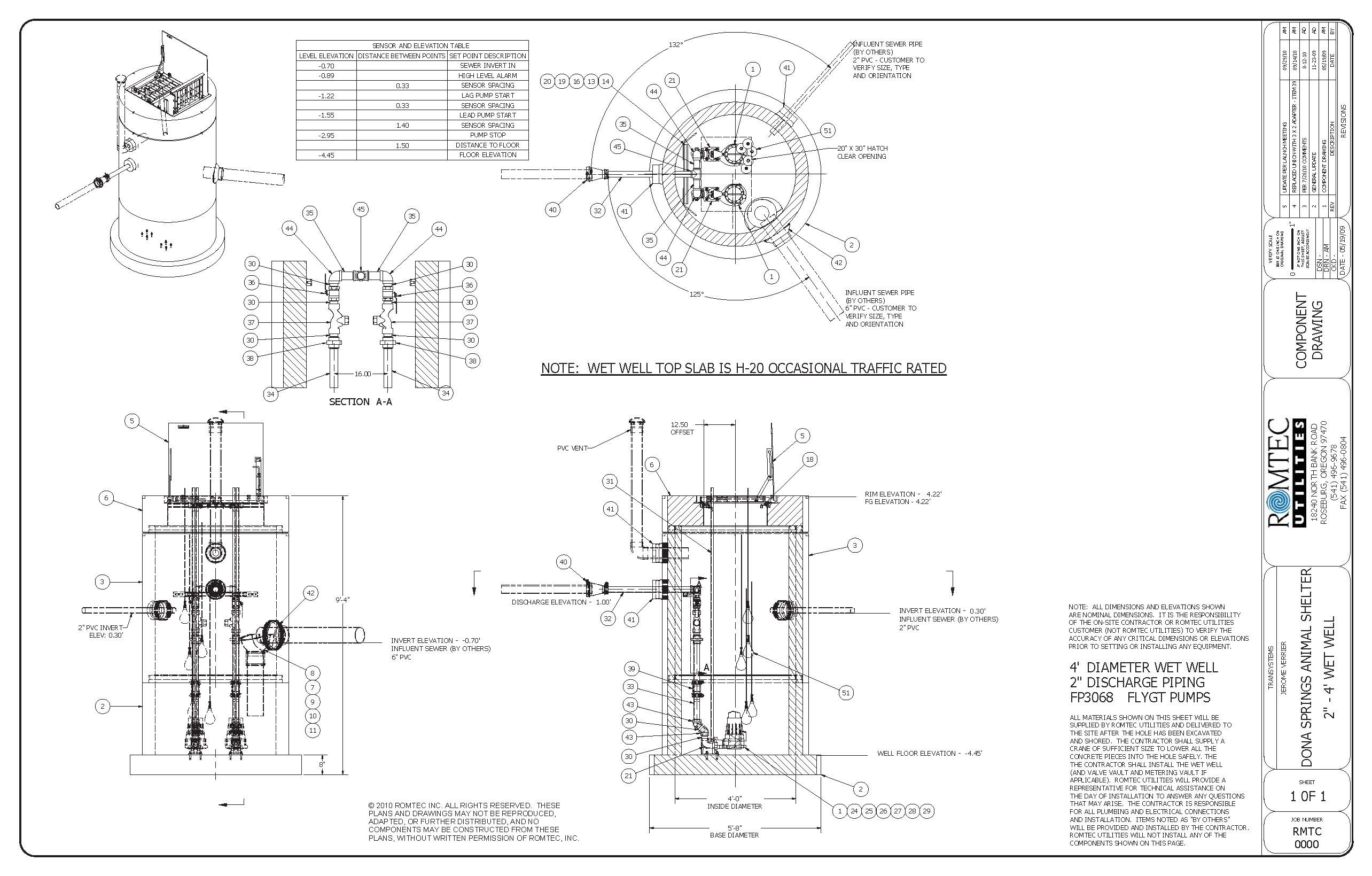
Image credit: romtecutilities.com
For project owners comparing the best lift station designers, the more useful question isn’t simply who can specify pumps. Who can translate the conditions of the site into a comprehensive, practical system that is easy to set up, maintain and run?
Gravity has Limits
Gravity is often the most effective way to convey wastewater, however, terrain and development patterns don’t always cooperate. New residential, commercial, and industrial sites may sit too low, too distant, or in places where expanding gravity sewer infrastructure isn’t practical.
The lift station is a mechanism that moves the wastewater to the next site of collection. It is essential to think about the operating conditions that are normal and those that may be less convenient, such as the high inflows, maintenance of the pump and equipment breakdown, as well as future demand increases.
The best companies in wastewater design should be able to evaluate the whole problem, rather than simply treating the station.
Existing infrastructure makes the task More difficult
It’s not just the construction itself that is a problem, but it is also a major challenge. A lot of municipalities are required to improve or replace old stations in order to keep essential wastewater infrastructure in good working order.
Forcemains, wetwells electric services and controls boundaries, site boundary, and downstream infrastructure can limit the new design. Engineers will have to decide what is left or replaced, and what must be upgraded, and what new elements are required.
Romtec Utilities works across municipal commercial, private, industrial, retrofit, and replacement applications, allowing pumping systems to be developed to meet the unique ownership and operating requirements of every project.
Stormwater is governed by different rules
The most effective developers of stromwater systems using the search terms provided must resolve a completely different hydraulic issue. Stormwater systems can undergo dramatic variations in their volume, based on the amount of rainfall, drainage capacity and allowed discharge rates.
A detention basin, for instance one, might need to store the runoff for a short time before pumping it at the appropriate speed. Engineers must take into account the head and flow conditions, environmental requirements, flood management objectives, as well as the characteristics of the receiving drain system.
Prefabrication can be used to shift the work off the site
The complexity of field assembly can create delays in scheduling, mistakes during installation, changes orders and delays. Romtec Utilities uses substantial prefabrication before the equipment is delivered to the site of the project.
If you can complete more assembly and quality-control work in a controlled manner it can cut down on the amount of construction that is required in the ground. Romtec Utilities’s approach to projects can speed up the time it takes to install specific installations.
The process of commissioning is Key to Engineering Success
A station isn’t proven simply because each component has been put in place. Romtec Utilities is an installation advisor and will follow the process of construction from startup to control-panel checks, pump operation, testing the system, as well as personnel education. The manual also contains details that operators could refer to when they are maintaining the system, or considering future expansion.
Owners looking for the most skilled designers for lift stations must be aware of this last stage. The end result of good engineering should be more than an acceptable set of drawings. The station owner should leave with a working system that is well-trained, a competent staff, helpful documentation and equipment made to be able to handle the daily demands of the facility.