

A friend recommends an cryptocurrency whose value has risen by more than a third. You open an account with a cryptocurrency exchange, take a look at some videos and feel suddenly eager to invest. The issue is that you’re not aware of the technology. You may understand the price fluctuation but don’t understand the product you’re purchasing, how the technology works, or what happens if something goes wrong.
The education of cryptocurrency should be completed prior to any real cash is put into it. The Coin Course offers educational resources that cover blockchain basics, cryptocurrency wallets, decentralized financing, NFTs, security, and trading concepts. It is best to master these topics in the order that is most pertinent for novices.
Start with the transaction, Not the Price Chart
A well-written tutorial on cryptography will explain the actual function of cryptocurrency. Bitcoin, for instance, allows money to move across the world without the need of an institution to records of transactions. Ethereum can be used to support digital currencies and applications that make use of programmable contract.
This technology can be made easier to comprehend if you watch its price on the market. Begin by learning the functions of wallet addresses and the reasons why network verification is essential for transactions and what distinguishes cryptocurrency from bank deposits. These basics help to explain the potential and limitations of digital assets.
Track One Transactions on the Blockchain
It’s easier to grasp technical concepts when they are connected to an activity that you have experience with. Imagine sending cryptocurrency out of your wallet to another person. Your wallet authorizes a transaction by using your private key. The transaction is submitted to the network to verify against its rules and then it will be added to the blockchain.
A practical blockchain tutorial can demonstrate this process using a block explorer, where users can inspect transaction details and confirmation status.
This exercise also provides an important lesson in security The fact that blockchain transactions are usually not cancelled because the sender has entered an address that was not correct. Knowing the mechanics of transactions will make wallet usage much more palatable.
Find out How to Protect Your Assets prior to exploring DeFi
Basic wallet security is often overlooked by beginners who are more interested in making money from investments. Private keys provide the access to your crypto. A recovery phrase could allow an individual to re-open an appropriate wallet and possibly access its assets.
If you share that phrase with another person can put your holdings at risk. The differences between hardware wallets, software wallets, custodial exchanges should be explained in useful blockchain-related guides.
They should also consider addressing the possibility of phishing, suspicious connection to wallets, and the risks of approving smart contract authorizations without fully understanding the implications of. These lessons are particularly important when exploring the world of the decentralized financial system. Users are directly involved and don’t rely on traditional intermediaries.
How do you trade crypto and Not Confusing Progress with Activity
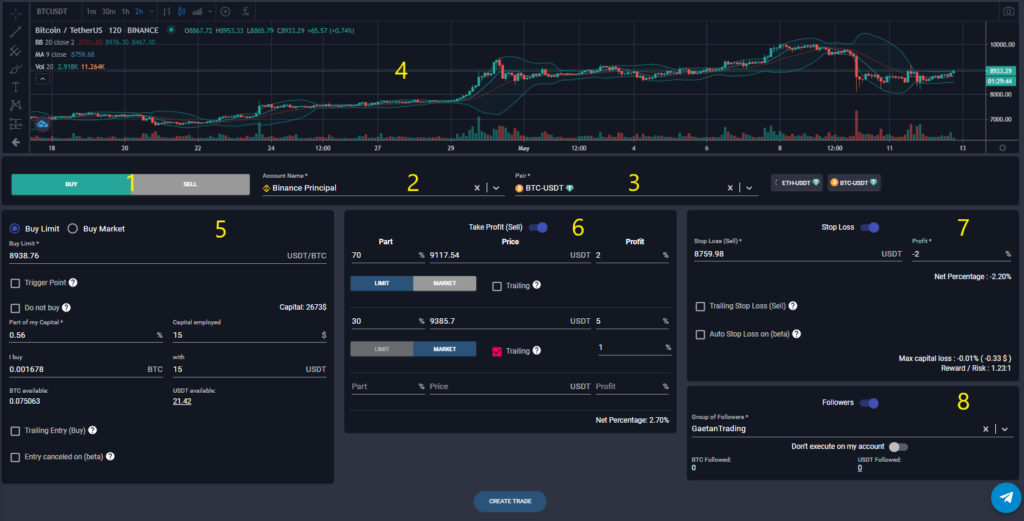
The people who are interested in learning cryptocurrency trading usually start with candlestick patterns as well as technical indicators. They are helpful but they should not be used to replace an understanding of the risks. It is essential to know your risk tolerance prior to deciding to invest.
A limit order allows you to define a specific price, and allows immediate execution. Leverage can increase risk since tiny price fluctuations can result in significant losses.
Beginning traders should learn to analyse markets and writing down hypothetical transactions before investing real money. The trading journal will reveal if decisions are made based on a plan that is consistent or merely on the basis of emotions.
Discover Advanced Topics with Better Questions
When the fundamentals are mastered It becomes much easier to judge subjects such as DeFi NFTs, DeFi, and smart contracts. To ask how much DeFi platforms might pay is not the most effective option. Instead, consider where the revenue comes from and what the users will be willing to pay.
When studying NFTs differentiate between the ownership of a token and ownership of the artwork or intellectual rights underlying.
For staking, understand whether rewards reward participants for helping to secure the network or result from a different financial arrangement. The Coin Course integrates these topics in a wider cryptocurrency learning experience. This helps readers develop their understanding of the various sectors of the industry.
Gain knowledge that is more durable than the latest market trends
The prices of cryptocurrency change frequently But the basics remain valuable. Knowing about blockchain transactions and security of wallets and security, along with trading mechanics and decentralized apps can assist you in evaluating new ventures, without having to solely rely on marketing claims.
Do not try to master all you can about. Once you understand the basics, it’s time to move on to more advanced topics. It’s not necessary to be an expert in just a few days. The objective is to gain enough knowledge to recognize risks and ask smarter questions and make more informed decisions as the cryptocurrency market develops.