

Cost is often the first factor to consider when companies begin looking into industrial epoxy flooring. It is a natural starting point, but focusing only on numbers can overlook the most important aspects. Industrial flooring is more than just a aesthetic upgrade. It plays an integral role in the way a building is running throughout the day.
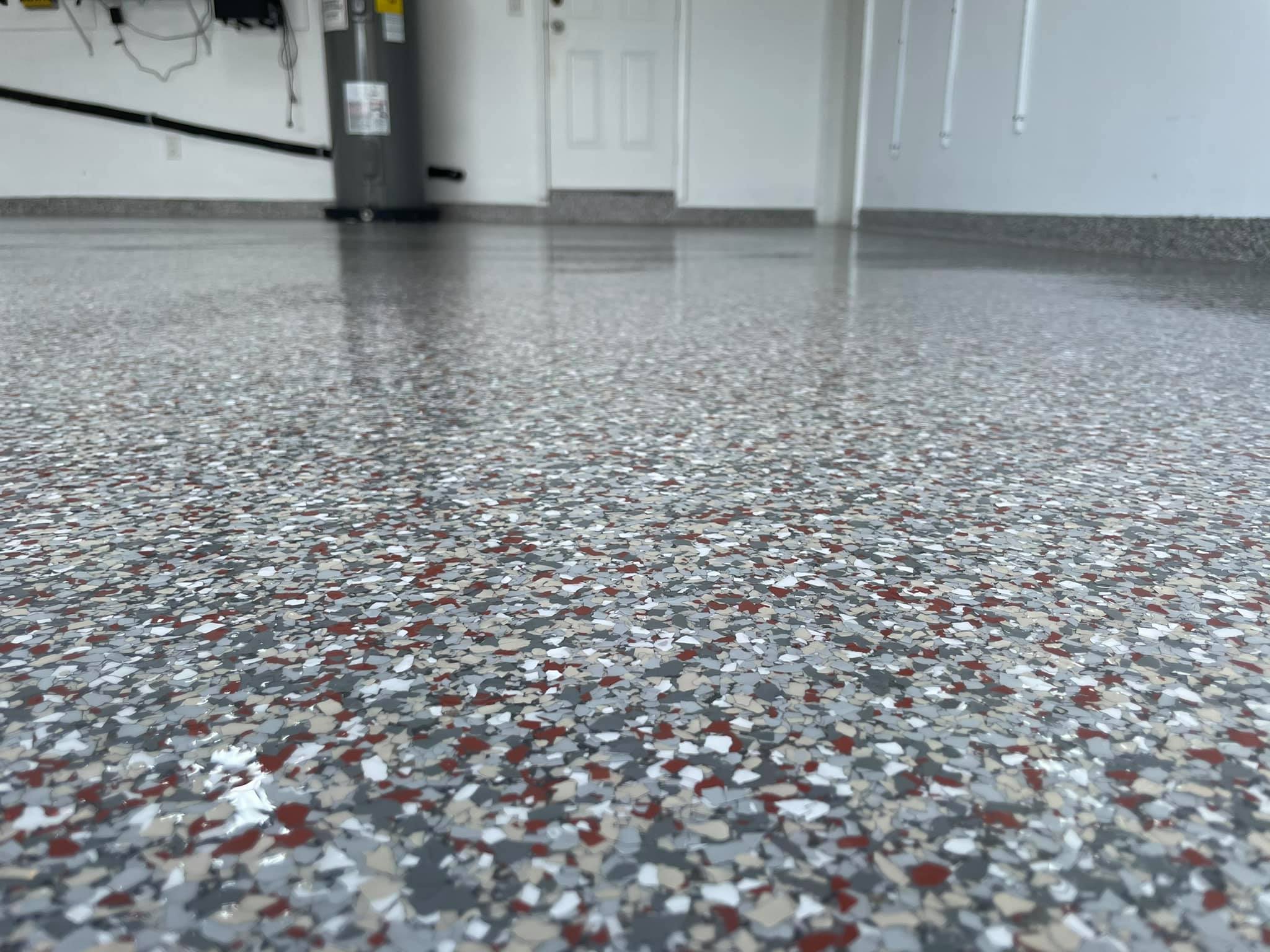
Costs of industrial epoxy floors tend to be far more costly than the ones that people are able to see. They are a reflection of the strength, preparation, and long-term performance built into the system. This can help shift the focus from pricing to value.
The reason industrial Floors Are constructed in a different way
Industrial environments demand more from their floors than other areas. The continuous transportation of heavy equipment and the exposure to various materials make for a demanding environment. The industrial epoxy floor is made to withstand the pressure unlike other coatings.
The substances used are designed to create a strong, seamless bond with the concrete underneath. This creates a surface that resists wear and remains solid under pressure. This could increase the cost of industrial epoxy flooring but it will also make sure that the floor will perform efficiently in the long run. In many cases the durability of a flooring system could be its greatest asset.
Every Successful Installation Starts with the foundation
A key factor in the cost of industrial epoxy flooring is the preparation work required before installation begins. The condition of the surface is an essential factor the determination of the effort required.
For concrete with cracks or uneven patches, or any other evidence of damage, further work is required to create an even base. Professionally trained installers prepare the concrete using specialized techniques, which make sure that the epoxy bonds perfectly. This is a way to ensure the durability of the epoxy over time.
The lack of preparation or skipping it could reduce initial costs for industrial epoxy flooring but it could lead to issues in the future. Properly prepared is the key for a superior and reliable end result.
How Thickness affects performance
Another key element that determines the price of industrial epoxy flooring is the thickness. When durability is a concern it is recommended to use thicker products.
These flooring systems are ideal for use in heavy-duty environments because they offer greater resistance to abrasion, impact and wear. The addition of material will increase the upfront price of industrial epoxy flooring but it also extends the life of the flooring. The right thickness to choose depends on how the space is used and what level of performance is required.
Being able to adapt to different industrial needs
Each facility faces its own set of problems. Some need resistance to chemical, while others require protection from temperatures or moisture changes. These variables affect the type of system used.
The price of industrial epoxy flooring can vary depending on the changes required to satisfy these requirements. These adjustments are necessary to ensure that the floor performs effectively in its specific environment. A tailored approach allows the flooring to meet the unique demands of each area.
Things to consider beyond the short-term costs
Although it is simple to concentrate on the initial price of industrial epoxy floors long-term considerations can be equally crucial. High-quality installations can minimize maintenance and repair costs.
This level of consistency is a major aspect in deciding on industrial epoxy flooring. This reliability helps companies maintain smoothly running operations with less interruptions. In this sense, investing is more about stability than costs.
Why professional installation is important
Industrial flooring installation requires expertise and precision. Every step from preparation to final installation must be executed with care in order to achieve the final result.
The industrial epoxy flooring price includes not only materials but also the expertise needed to apply them correctly. Professional installers know how to adjust to various conditions and make sure that the flooring will perform as expected. This attention to detail contributes to the quality of the floor.
The Best Flooring Options
Comparing the number of tiles isn’t enough to decide on the best flooring system. Understanding the interactions between various elements is vital to have solid, durable flooring.
Industrial epoxy floors are a solution which combines adaptability along with durability, strength and performance in the long term. Prices for industrial epoxy flooring may vary based on specific needs. But, it’s important to create flooring that is able to support daily activities.
When looking at the whole system, including preparation, equipment and materials, businesses can make decisions that will last.